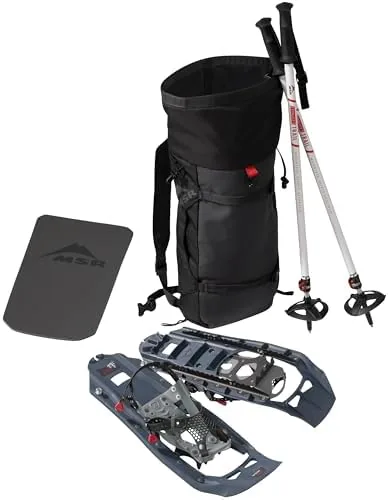
MSR Evo Trail — Revo Series Snowshoes
Built for Recreational Hikers and Winter Trail Enthusiasts
MSR Evo Trail Revo Series Snowshoes represent the culmination of over five decades of mountain engineering expertise. Founded in 1969 by Larry Penberthy in Seattle, Washington, MSR has consistently pushed the boundaries of outdoor gear design through rigorous scientific methodology. The Evo Trail line specifically targets recreational snowshoers, winter day hikers, and newcomers to the sport who demand reliable performance without the complexity of technical mountaineering equipment.
The engineering philosophy behind MSR centers on solving real-world challenges through innovation rather than tradition. Every component of the Evo Trail snowshoe addresses specific pain points that recreational users face on packed trails, groomed paths, and rolling winter terrain. The result is a product that inspires confidence from the first step, allowing users to focus on the beauty of winter landscapes rather than worrying about equipment failure.
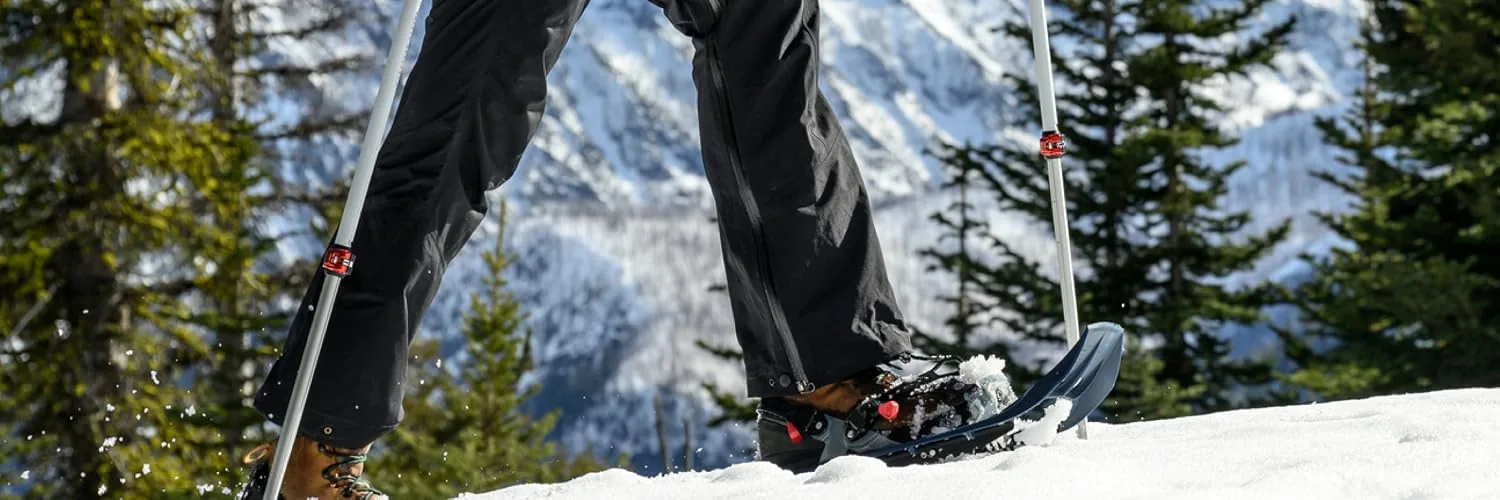
State and national parks across North America have become the natural habitat for Evo Trail users. These snowshoes excel in the conditions most commonly encountered during winter day excursions — packed powder, icy patches, and crusty snow surfaces that would challenge lesser designs. The target audience includes families exploring winter trails together, fitness enthusiasts maintaining their hiking routines year-round, and outdoor newcomers taking their first steps into snowshoeing.
A Complete Lineup from Solo Snowshoes to Adventure-Ready Kits
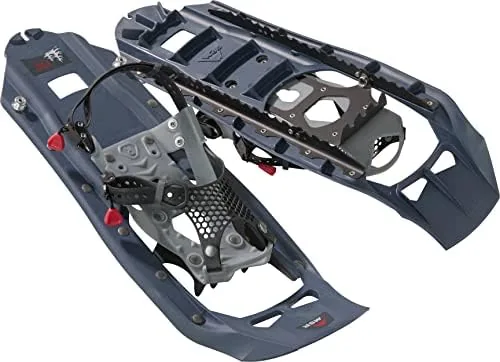
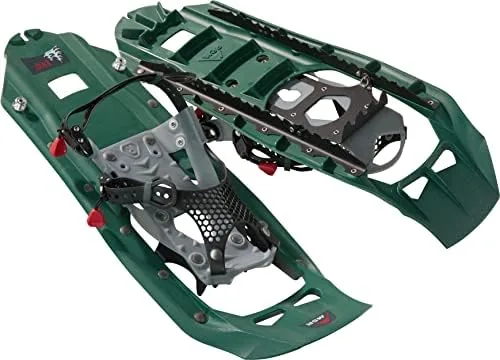
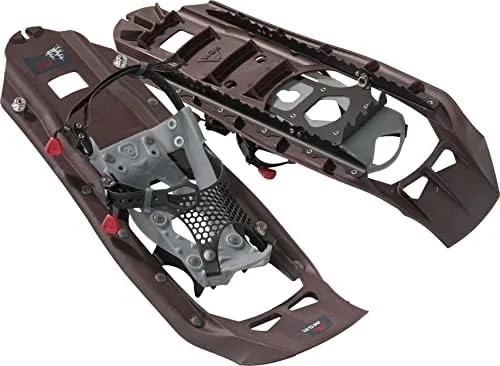
The Evo Trail collection offers versatility through thoughtful product variations designed to meet different user preferences and adventure styles. Available in three striking colorways — Midnight, Ranger, and Iron — the 22-inch models provide the ideal balance between flotation and maneuverability for most recreational conditions. Each color option maintains identical performance specifications while allowing users to express their personal style on the trail.
Beyond individual snowshoe pairs, MSR has developed the Evo Trail Snowshoe Kit with Trekking Poles and Seat-Cushion Backpack to serve those seeking a complete winter hiking solution. This all-in-one package removes the guesswork from gear selection, bundling compatible accessories that enhance the snowshoeing experience. The kit proves particularly valuable for spontaneous winter adventures and family outings where convenience takes priority.
The modular approach extends to flotation options as well. Optional 6-inch tail extensions transform standard 22-inch snowshoes into deeper snow performers, allowing users to adapt their gear to changing conditions without purchasing entirely new equipment. This scalability makes the collection an intelligent investment for those who anticipate varied terrain throughout the winter season.
UniBody Construction: Where Injection Molding Meets Mountain Science
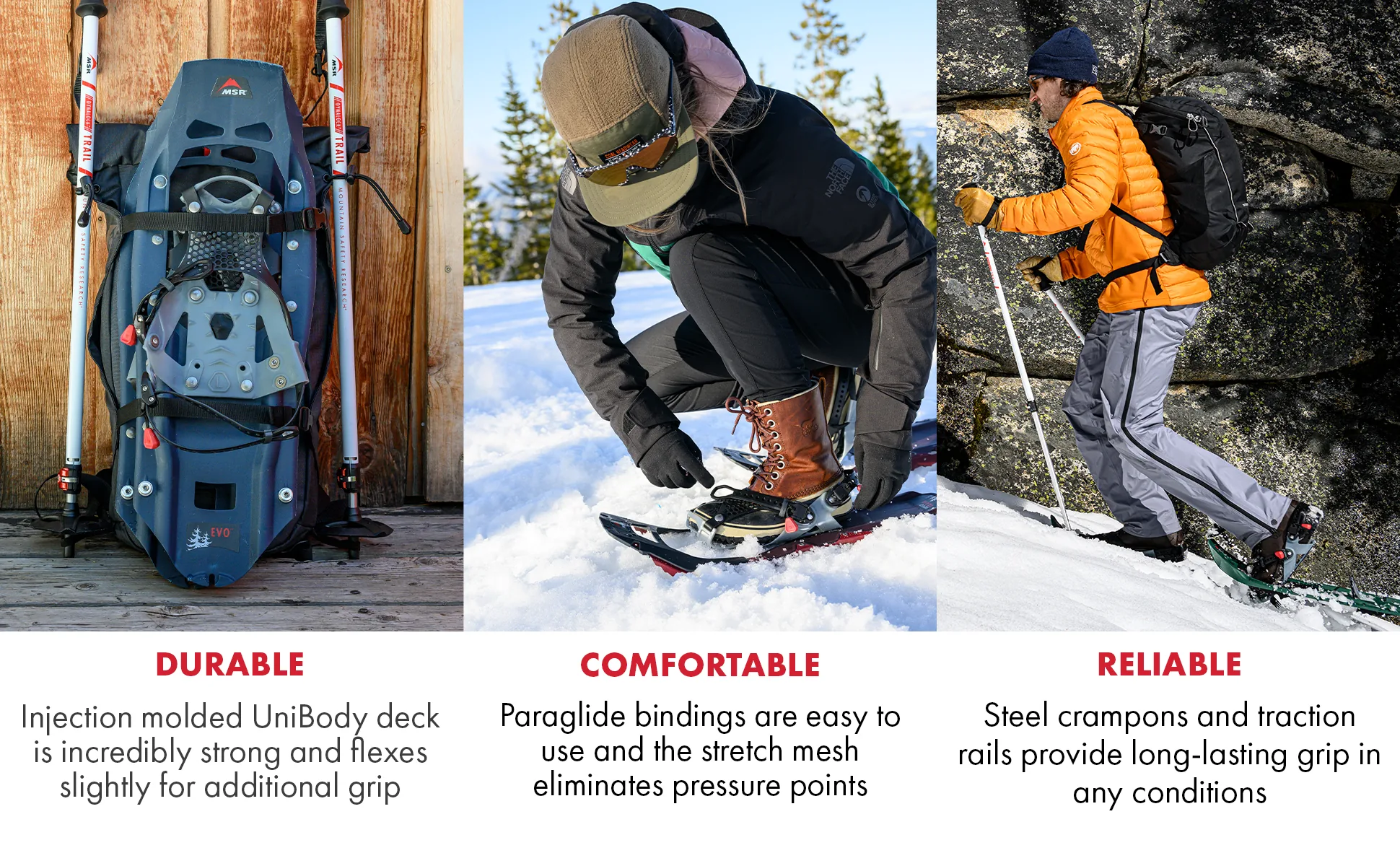
The UniBody injection-molded plastic deck represents MSR's answer to the traditional snowshoe construction methods that have plagued recreational users for decades. Rather than bolting separate traction components to a frame — an approach prone to loosening and failure — MSR integrates steel traction rails directly into the deck during the molding process. This marriage of materials creates a single unified structure where the deck and traction system function as one cohesive unit.
Steel crampons positioned strategically beneath the foot provide aggressive bite on ice and hardpack surfaces without the weight penalty of traditional all-metal designs. The perimeter traction rails extend grip beyond just the crampon zone, delivering lateral stability during traverses and confidence on uneven terrain. This hybrid approach — combining plastic deck durability with steel traction — defines the Revo Series philosophy.
Manufacturing takes place in the USA using a combination of high-quality domestic and imported materials. MSR backs this construction with a comprehensive 3-year warranty, reflecting the company's confidence in the durability of their engineering. The production process undergoes strict quality control protocols developed through decades of mountain gear manufacturing experience, ensuring each pair meets the performance standards that define the brand.
Key Features of MSR Evo Trail Revo Series Snowshoes for Trail Performance
- Integrated Steel Traction System Steel crampons and traction rails molded directly into the UniBody deck eliminate the loosening and failure points common in bolt-on designs, providing reliable grip throughout the life of the snowshoe.
- Paraglide Binding Technology Pressure-free stretch mesh construction accommodates any footwear from lightweight hiking boots to bulky snowboard boots, distributing load evenly across the foot without hot spots.
- Glove-Friendly Operation Oversized binding straps and buckle tabs allow easy adjustment and secure fastening even with thick winter gloves, eliminating the need to expose bare hands in cold conditions.
- Modular Flotation Expansion Optional 6-inch tail extensions snap onto existing snowshoes to increase surface area for deep powder conditions, providing adaptability without requiring additional snowshoe purchases.
- 22-Inch Deck Dimensions The standard deck size balances flotation needs with trail maneuverability, optimized for users up to 180 pounds on packed trails or lighter users in moderate powder conditions.
- Three-Year Warranty Protection Comprehensive manufacturer warranty covers defects in materials and workmanship, demonstrating MSR's commitment to long-term product reliability.
Trail-Tested Favorites: The Models That Define Winter Adventures
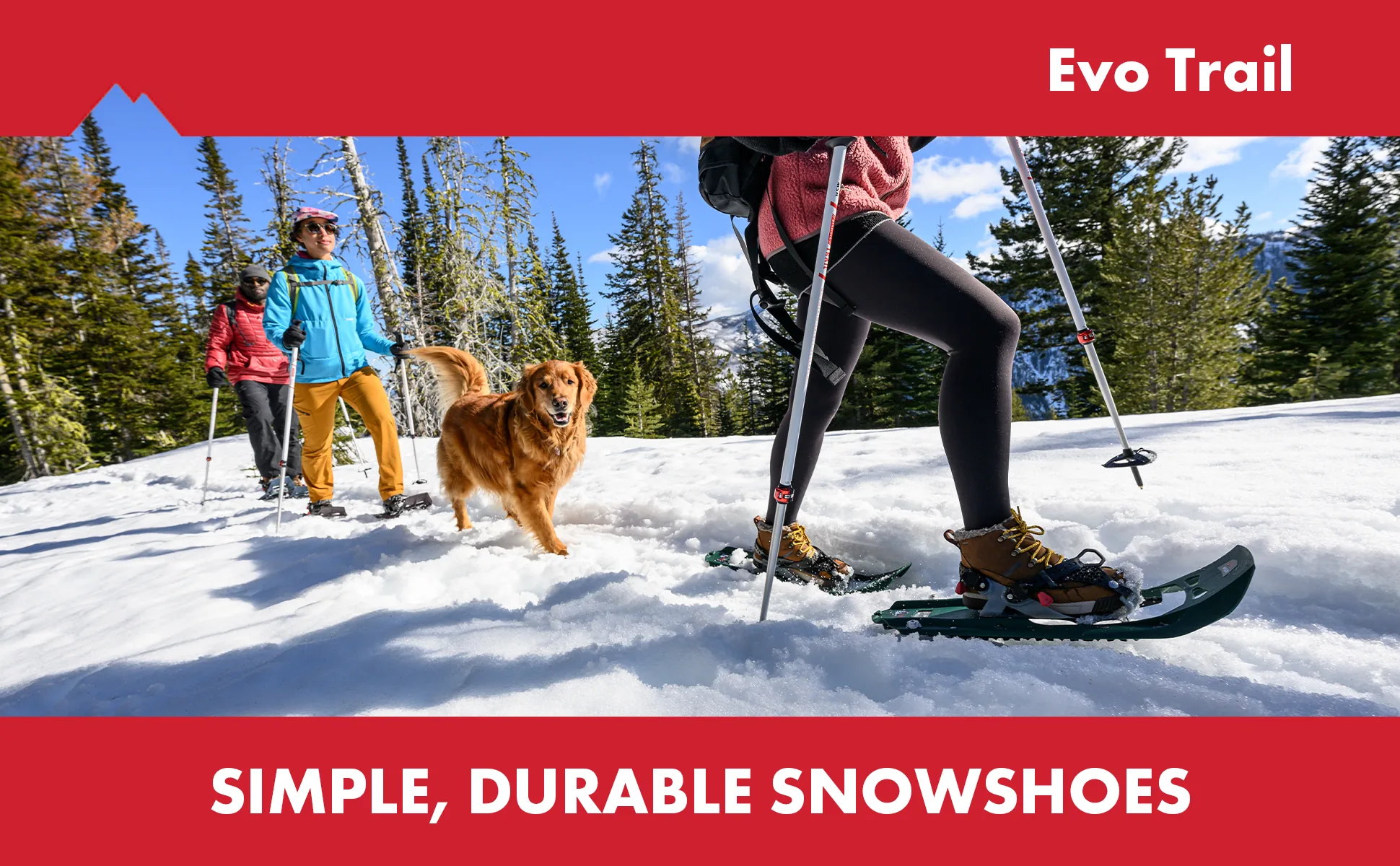
The MSR Evo Trail Snowshoes in the 22 Inch Pair configuration have earned their reputation as the go-to choice for recreational snowshoers across North America. The Midnight colorway offers a sleek, understated aesthetic that appeals to those who prefer their gear to blend with the winter environment. Steel crampons and traction rails provide reliable traction and lasting grip that maintains performance season after season.
For users seeking a more nature-inspired look, the Ranger colorway brings earthy tones to the trail while maintaining identical performance specifications. The Iron variant rounds out the collection with a classic, industrial appearance that resonates with users who appreciate traditional outdoor aesthetics. All three options deliver the same trusted performance — the choice comes down purely to visual preference.
The Evo Trail Snowshoe Kit with Trekking Poles and Seat-Cushion Backpack has emerged as a favorite among newcomers and gift-givers alike. This comprehensive package eliminates the research burden of assembling compatible gear, providing everything needed for immediate winter trail exploration. The included trekking poles enhance balance and reduce fatigue, while the seat-cushion backpack serves double duty as storage and a comfortable rest stop solution.
Injection-Molded Plastic Meets Hardened Steel: The Material Story
The primary deck material in every Evo Trail snowshoe consists of high-impact injection-molded plastic engineered to withstand extreme cold without becoming brittle. Unlike traditional aluminum frame snowshoes that can bend or dent upon impact with rocks hidden beneath snow, this plastic deck absorbs shock and returns to its original shape. The material maintains consistent flexibility across a wide temperature range, from mild winter days to subzero expeditions.
Steel components — including the crampons and perimeter traction rails — receive specialized treatments to resist corrosion from repeated exposure to snow, ice, and trail salt. The integration method bonds these steel elements permanently into the plastic matrix during manufacturing, creating a connection stronger than any bolt or rivet system could achieve. This permanent bond eliminates the maintenance headache of tightening loose hardware that plagues traditional designs.
The Paraglide binding system employs stretch mesh materials that resist water absorption while maintaining elasticity in cold conditions. Unlike foam-padded bindings that can freeze rigid overnight, this pressure-free mesh design remains supple and easy to operate regardless of ambient temperature. Buckle components utilize reinforced polymers rated for low-temperature operation, ensuring secure closure without the brittleness that affects inferior plastics.
From Groomed Paths to Icy Ridgelines: Performance Where It Counts
Field testing across varied winter terrain reveals the Evo Trail's strength on packed snow and groomed trail surfaces. The steel traction system engages immediately upon contact with hard-packed conditions, providing the secure footing that builds user confidence. Transitions from soft snow patches to icy sections occur without the alarming slip that characterizes lesser snowshoes, thanks to the continuous perimeter rail design.
Comfort during extended outings stems from the Paraglide binding's even pressure distribution. Users report completing full-day hikes without the foot fatigue or pressure points common with strap-heavy binding systems. The accommodation of various footwear types means users can optimize their boot choice for conditions rather than compatibility — lighter hiking boots for moderate days, insulated winter boots for extreme cold.
Durability assessments after multiple seasons of use demonstrate the wisdom of MSR's integrated construction approach. Where bolt-on traction systems loosen and require retightening, the molded-in steel components maintain their original position and effectiveness. The plastic deck resists scratching and abrasion from rocky trail surfaces that emerge during low snow years, while the steel elements show appropriate wear patterns without structural compromise.
How to Use MSR Evo Trail Revo Series Snowshoes for Maximum Trail Enjoyment
- Proper Boot Positioning Center your boot in the Paraglide binding with toes aligned over the pivot point for natural walking motion and optimal crampon engagement.
- Strap Adjustment Sequence Secure the toe strap first for positioning, then tighten the instep strap for power transfer, and finally adjust the heel strap to lock the boot in place.
- Walking Technique Adopt a slightly wider stance than normal walking to prevent deck overlap, and lift feet higher during the swing phase to clear the snowshoe tail from the snow surface.
- Hill Climbing Strategy Kick the toe crampon into the slope with each step on ascents, using trekking poles for balance and reducing strain on leg muscles.
- Descending Safely Keep weight slightly back over the heel traction rails during descents, allowing the steel to bite and control speed on packed or icy slopes.
- Post-Use Protocol Knock off accumulated snow before storage, allow bindings to dry completely, and store flat or hanging to prevent deck warping.
Finding Your Fit: Sizing Guidance for Secure, Comfortable Snowshoeing
Weight-Based Sizing Factors
- Users under 150 lbs suit standard 22-inch decks for all conditions
- Users 150-180 lbs benefit from 22-inch decks on packed trails
- Users over 180 lbs should consider adding flotation tails for powder
- Factor in backpack weight when calculating total load
Binding Compatibility Considerations
- Paraglide system fits boot sizes from women's 5 to men's 15
- Accommodates everything from lightweight trail runners to pac boots
- No special crampon-compatible boots required
- Winter hiking boots with stiff soles maximize power transfer
Perfect for Weekend Wanderers and Park-Trail Explorers
The ideal Evo Trail user approaches winter hiking as a recreational pursuit rather than a technical challenge. Weekend hikers who maintain year-round trail habits find these snowshoes transform familiar summer paths into entirely new winter experiences. The reliable traction and intuitive operation allow focus on scenery and companionship rather than equipment management.
Families introducing children to winter outdoor activities benefit enormously from the user-friendly design. The glove-compatible bindings mean parents spend less time fussing with gear and more time enjoying quality moments together. State and national park visitors who encounter mandatory snowshoe requirements on winter trails appreciate the immediate functionality without a steep learning curve.
Fitness enthusiasts using snowshoeing as cross-training during winter months value the workout potential combined with operational simplicity. The cardiovascular benefits of snowshoeing match or exceed other winter activities, and the Evo Trail's reliable performance removes variables that might otherwise interrupt training consistency. Beginners entering the sport discover a forgiving platform that builds skills without punishing early mistakes.
Selecting the Right Revo Series Snowshoes Model for Your Winter Goals
Choosing between individual snowshoes and the complete kit requires honest assessment of existing gear and intended use patterns. Users who already own quality trekking poles and appropriate packs should select standalone snowshoe pairs in their preferred colorway. The cost savings allow investment in optional flotation tails for those anticipating varied snow conditions.
Newcomers without established winter hiking gear benefit significantly from the comprehensive kit approach. The bundled trekking poles match the quality standards MSR applies to all equipment, while the seat-cushion backpack addresses multiple needs in a single purchase. This all-in-one solution proves particularly valuable for spontaneous winter outings where convenience enables adventure.
Color selection among the Midnight, Ranger, and Iron options carries no performance implications — the choice reflects purely aesthetic preference. Some users select based on visibility considerations, preferring brighter options for solo hiking or muted tones for wildlife observation. Others simply match existing gear colors for a coordinated appearance on the trail. The 22-inch deck size serves the broadest range of users, providing the best balance between flotation and maneuverability for recreational trail conditions.
MSR Evo Trail Revo Series Snowshoes vs. Leading Competitors
| Feature | MSR Evo Trail | Tubbs Flex TRK | Atlas Helium Trail |
|---|---|---|---|
| Deck Construction | UniBody injection-molded plastic | Steel frame with vinyl deck | Aluminum frame with nylon deck |
| Traction System | Integrated steel crampons and rails | Bolt-on carbon steel toe crampon | Steel toe and heel crampons |
| Binding Type | Paraglide pressure-free stretch mesh | QuickFit binding system | Wrapp Trail binding |
| Flotation Expansion | Modular 6-inch tail extensions available | Not available | Not available |
| Cold Weather Operation | Glove-friendly tabs and buckles | Standard buckle design | Quick-pull straps |
| Weight (per pair) | 3 lbs 10 oz | 4 lbs 2 oz | 3 lbs 4 oz |
| Warranty | 3 years | Limited lifetime | Limited lifetime |
| Manufacturing | Made in USA | Imported | Imported |
Specifications based on comparable 22-inch recreational models. Warranty terms vary by specific defect type.
Keeping Your Winter Gear Trail-Ready Season After Season
- Post-Hike Snow Removal Knock accumulated snow and ice from deck surfaces and binding components before transporting to prevent melt-freeze cycles that stress materials.
- Drying Protocol Allow bindings to air dry completely at room temperature before storage, avoiding direct heat sources that can degrade stretch mesh materials.
- Traction Inspection Check steel crampons and traction rails for damage or excessive wear before each season, paying attention to any unusual dulling or edge damage.
- Binding Maintenance Inspect strap webbing for fraying and test buckle operation regularly, replacing any components showing wear before they fail on the trail.
- Storage Best Practices Store flat or hanging in a cool, dry location away from direct sunlight, which can degrade plastic components over extended periods.
- Seasonal Preparation Before the first outing each winter, test all bindings with intended footwear and verify strap adjustments accommodate current boot choices.